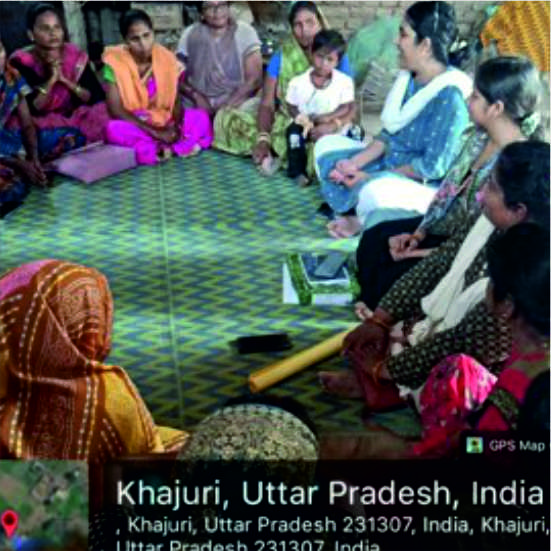
The Governance Module (Sva-Shasan Module) was piloted through two sessions with entrepreneurs and institutional stakeholders, focusing on two chapters.
#TheGovernanceModule
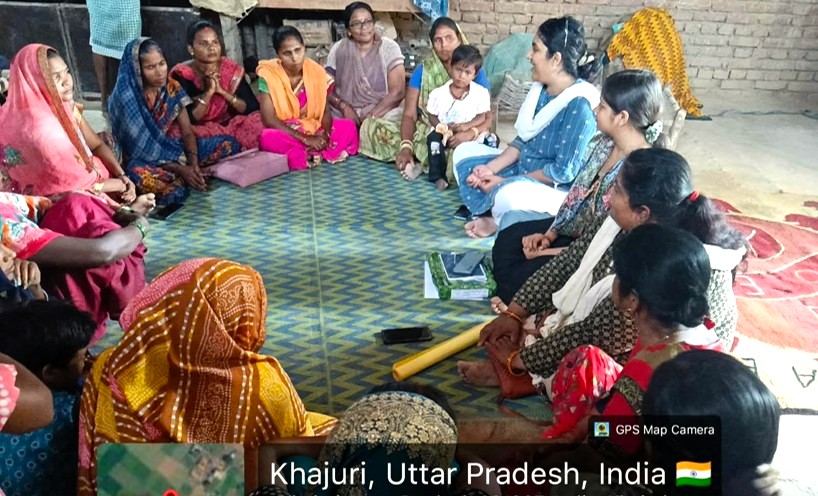
Entrepreneurs take part in the pilot and discuss how they approach local institutions for loans, training and support.
The Governance Module (Sva-Shasan Module) was piloted on 5 and 6 October 2026 in Mirzapur, Uttar Pradesh. The pilot comprised two sessions, one with entrepreneurs and the other with institutional stakeholders, and covered Chapter 1 (Introduction) and Chapter 2 (Governance and Rural Development). The sessions aimed to gather feedback from intended users, incorporate their experiences into the module’s development and initiate discussions on its dissemination and implementation.
The first session brought together entrepreneurs, including women e-rickshaw drivers, for an ecosystem-mapping exercise. Participants identified the people and institutions that support their businesses and reflected on their experiences of accessing institutional assistance. They highlighted the role of institutions such as the Khadi and Village Industries Commission (KVIC), Rural Self Employment Training Institutes (RSETIs), Common Service Centres (CSCs) and Bank Sakhis in providing access to training, loans, documentation and other forms of support. Participants also spoke about challenges, including delays in loan applications. The discussion highlighted the importance of peer learning, safe mobility and recognition in enabling women to pursue entrepreneurial activities.
The second session involved 15 representatives and officials from governance institutions, Farmer Producer Organisations (FPOs), CSCs and Cluster Level Federations (CLFs). Participants suggested incorporating practical information on business diagnosis, enterprise categories, the Government e-Marketplace (GeM) portal, cybercrime prevention and updated government schemes. They also highlighted gaps in coordination between institutions, the absence of a district-level monitoring system and the need for implementing agencies to provide continued handholding to entrepreneurs beyond initial training. The discussions further reinforced the importance of supporting business ideation and strengthening linkages between institutions.
Across both sessions, a key observation was that entrepreneurs benefit most when institutions connect them to the next stage of support rather than functioning as isolated service providers. The feedback also underscored the value of grounding the module in lived experiences and practical examples. Participants responded positively to the prototype’s visual design.
Key next steps include incorporating more entrepreneur case stories, visually mapping institutional linkages, providing access to updated government scheme information through a repository or QR code, and positioning the Governance Module alongside complementary modules such as ESS and EPED (Entrepreneurship Promotion and Ecosystem Development Module).The pilot highlighted ways to make the module more practical, accessible and responsive to entrepreneurs and institutional stakeholders.
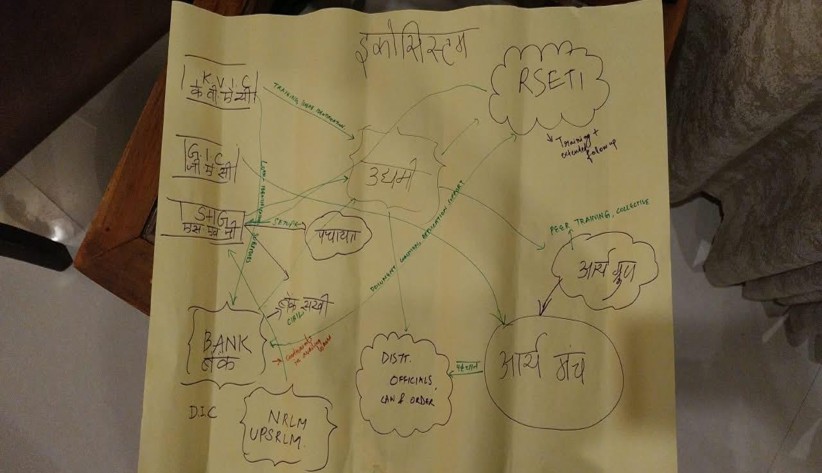
Ecosystem mapping exercise done by the entrepreneurs.
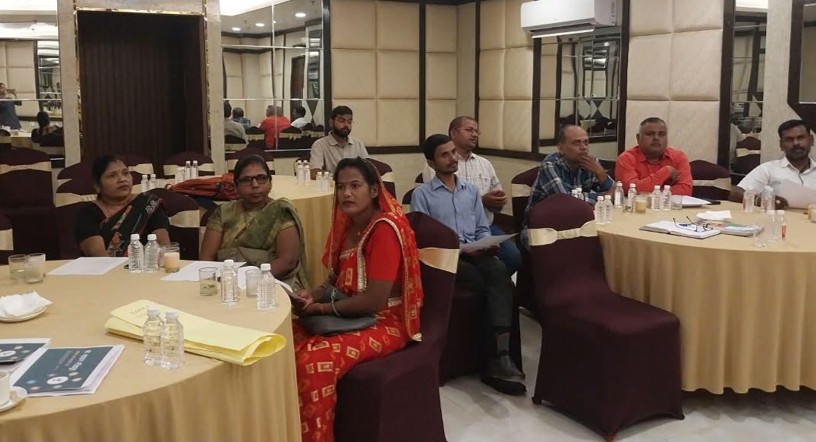
Officials and community representatives share feedback on the Governance Module.
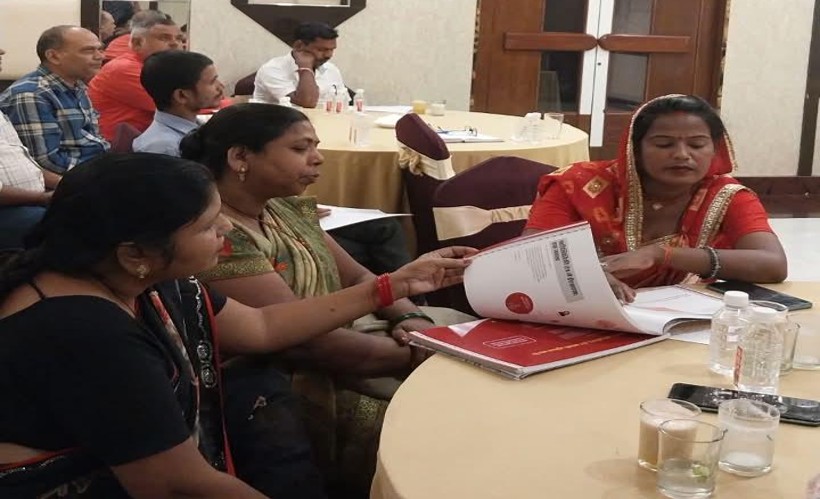
Participants review the Governance, ESS and EPED modules and share their feedback.





 Live Radio