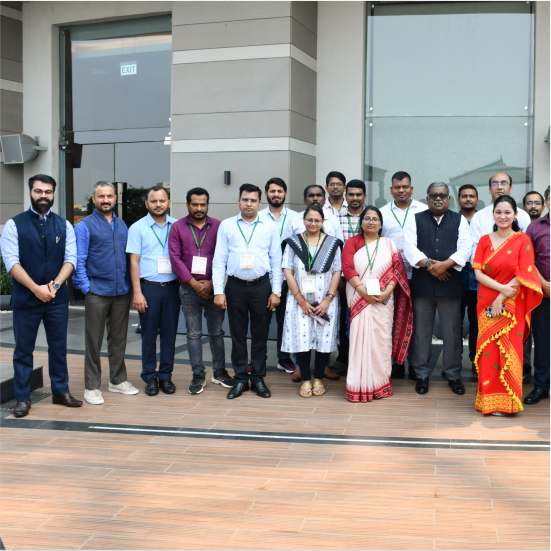
The workshop brought together key stakeholders from government agencies, cement industry and research institutions to deliberate upon LC3 potential in Odisha
#GreenBuildings
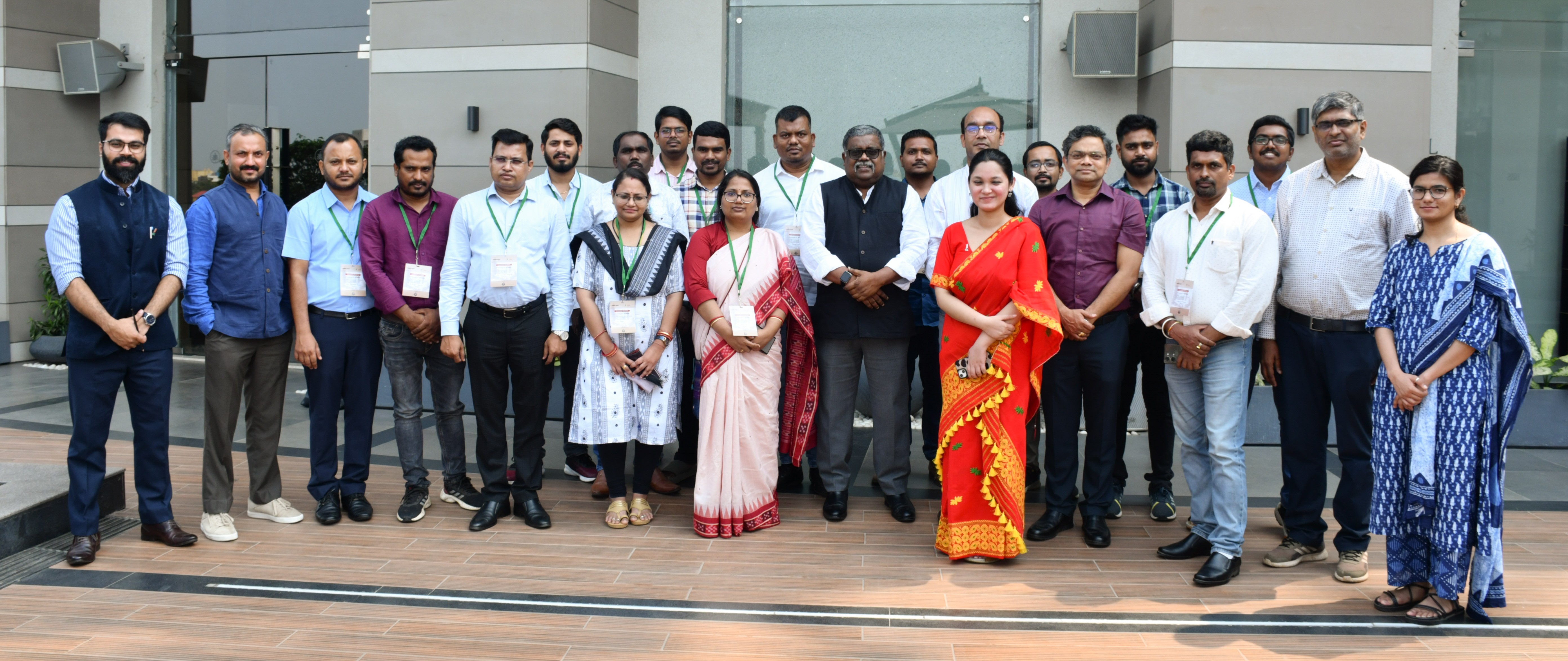
Participants at the consultation workshop in Odisha
The consultation workshop on advancing Limestone Calcined Clay Cement (LC3) in Odisha was convened to bring together key stakeholders from government, industry, and academia to deliberate on the opportunities and challenges associated with the adoption of low-carbon cement in the state. The workshop was designed as a platform to assess the readiness of the ecosystem, including raw material availability, market demand, technical confidence, and policy support, with the larger objective of accelerating decarbonisation in the cement and construction sectors. Through a combination of technical presentations and thematic group discussions, the workshop aimed to generate actionable insights that could inform a pathway for scaling LC3 in Odisha.
The workshop is particularly important in the current context of rapid infrastructure growth and increasing cement demand in India, which poses significant environmental challenges due to high carbon emissions associated with clinker-based production. Odisha, with its substantial reserves of clay and expanding industrial and urban landscape, presents a unique opportunity to transition towards low-carbon alternatives such as LC3. However, despite its technical and environmental advantages, the adoption of LC3 remains limited due to gaps in awareness, regulatory clarity, market confidence, and supply chain readiness. The workshop therefore served as a timely intervention to align stakeholder perspectives, identify bottlenecks, and explore pathways to integrate LC3 into the state’s development trajectory in a sustainable manner.
The discussions during the workshop brought out a comprehensive understanding of the ecosystem across market readiness, supply-side constraints, and demand-side dynamics. On market readiness, there was a strong emphasis on building technical confidence through systematic testing of LC3 across academic institutions and third-party laboratories, evaluating its performance in concrete applications, and conducting comparative studies with existing cement types such as OPC and PPC. Participants highlighted the need for generating user testimonials, obtaining certifications, and undertaking extensive awareness-building efforts through literature, workshops, and exhibitions to strengthen acceptance in the market. From a supply-side perspective, key challenges identified included limited availability and accessibility of suitable raw materials, high transportation and logistics costs, and issues related to land acquisition and regulatory processes. To address these, participants suggested exploring alternative sources such as industrial and mining waste, improving the quality of low-grade limestone through supplementary materials, adopting efficient transport mechanisms like conveyors, and enabling supportive government policies for mining and land use. On the demand side, the discussions underscored Odisha’s strong growth trajectory, driven by infrastructure expansion across industrial, mining, tourism, and urban corridors. While this creates a significant opportunity for LC3 adoption, participants noted the need to build awareness among government departments, undertake pilot trials, ensure cost competitiveness, and introduce policy support through public procurement to drive demand for low-carbon cement.
Way forward from the workshop points towards the need for a coordinated and multi-stakeholder approach to enable the adoption of LC3 in Odisha. This includes strengthening the evidence base through testing and demonstration projects, improving visibility and awareness across stakeholders, and addressing supply-side constraints through better resource mapping and logistics planning. At the same time, policy interventions will play a critical role in creating an enabling environment by supporting green procurement, streamlining regulatory processes, and incentivising low-carbon materials. Leveraging Odisha’s resource potential and aligning it with its development ambitions can position the state as a leader in sustainable construction, provided that the momentum generated through the workshop is translated into concrete actions and sustained collaboration among stakeholders.
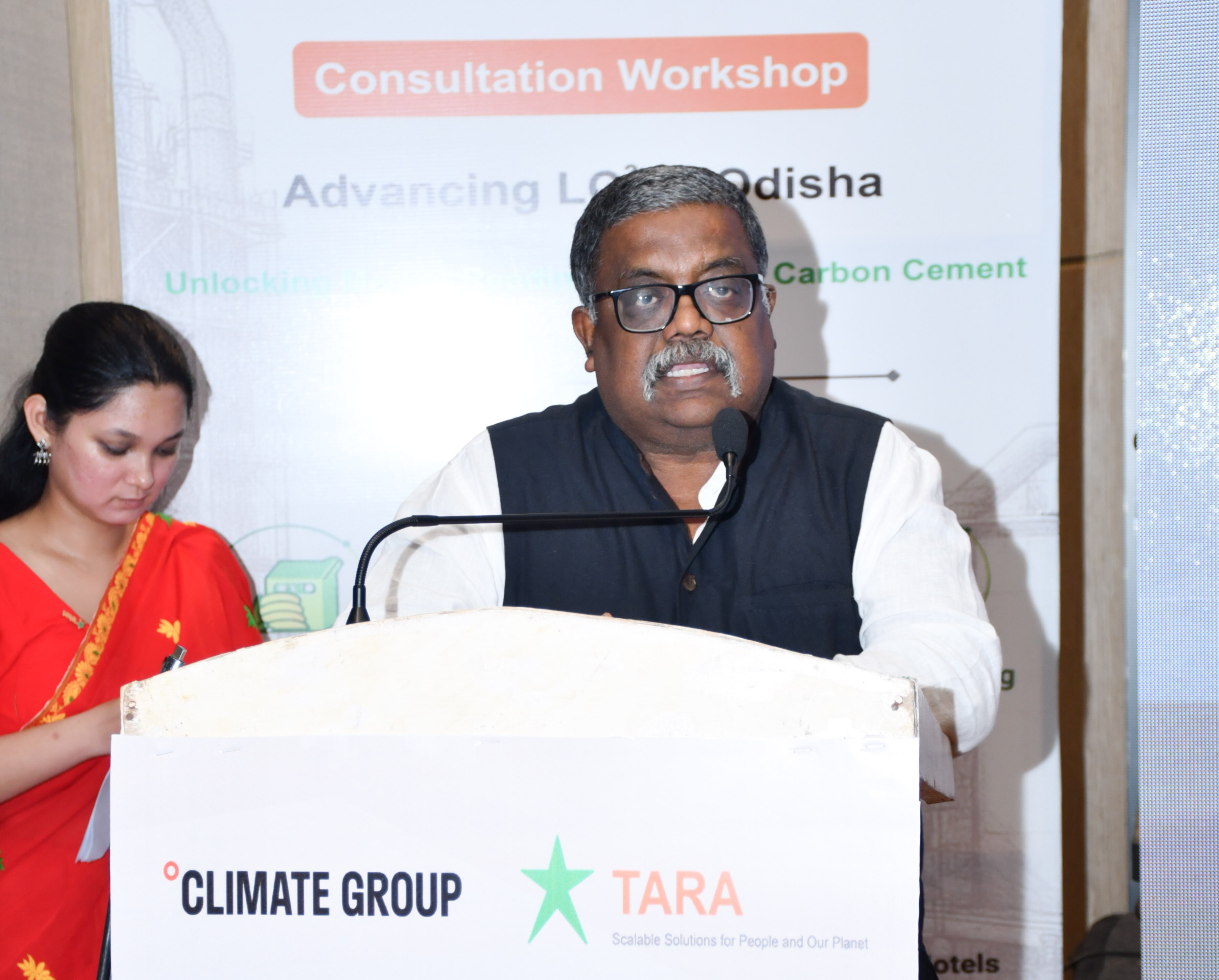
Glimpses from the Consultation Workshop
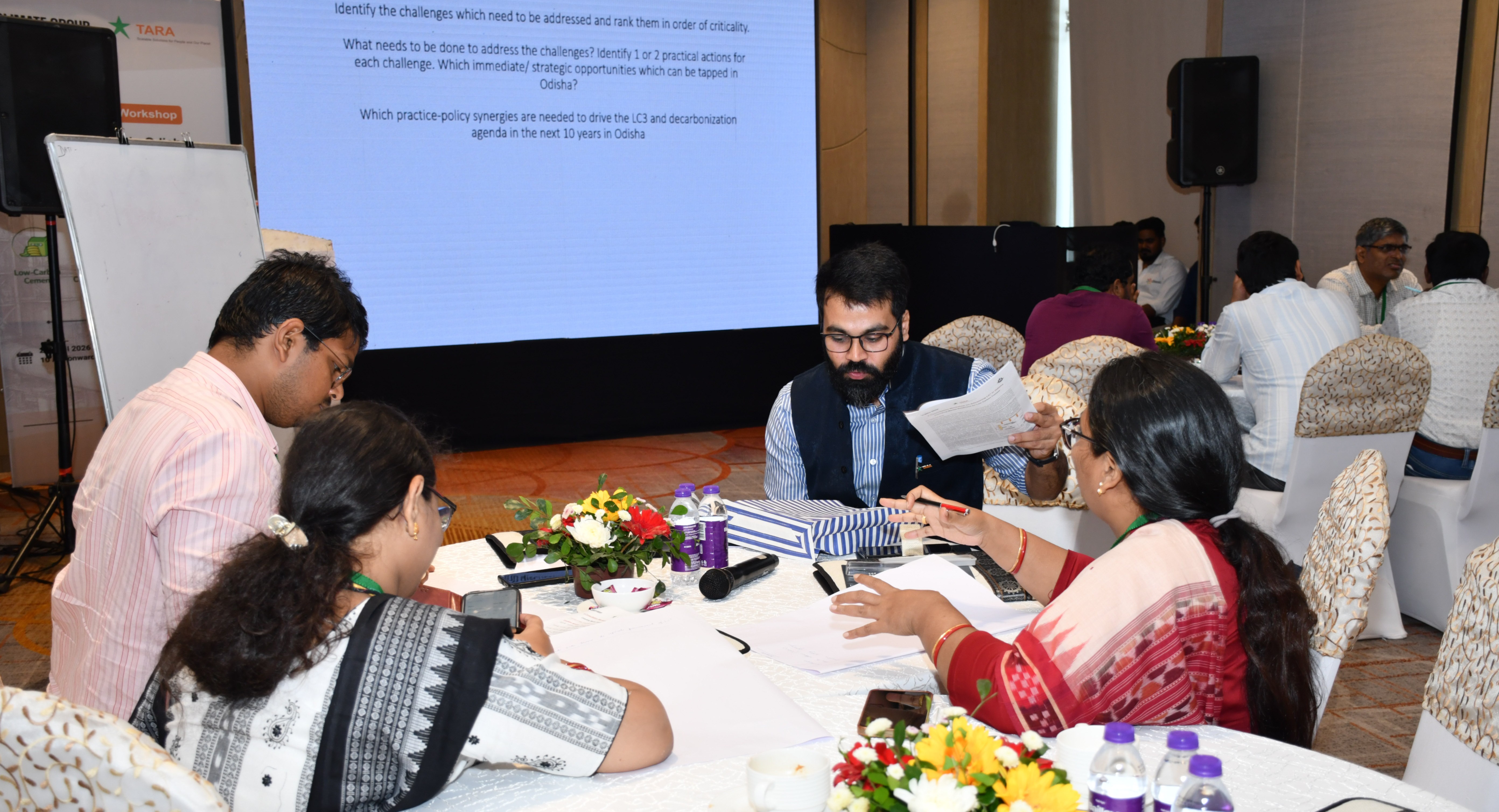
Glimpses from the Consultation Workshop
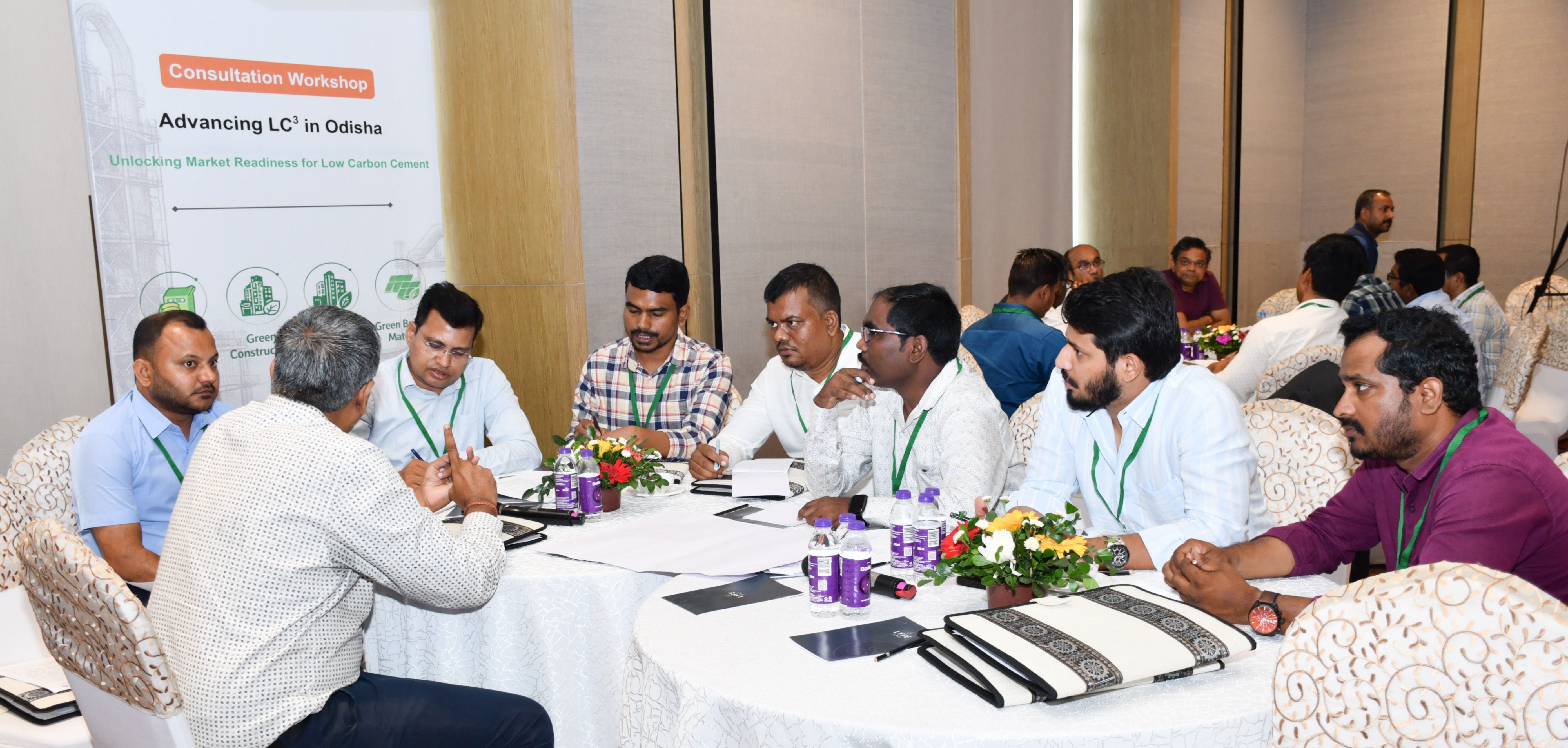
Glimpses from the Consultation Workshop





 Live Radio