On 19th March 2026, #DevelopmentAlternatives engaged with delegates from Southeast Asia and Africa at the National Institute of Labour Economics Research and Development (NILERD) as part of the International Training Programme on Local Governance and Rural Livelihoods.
#SocialInnovation
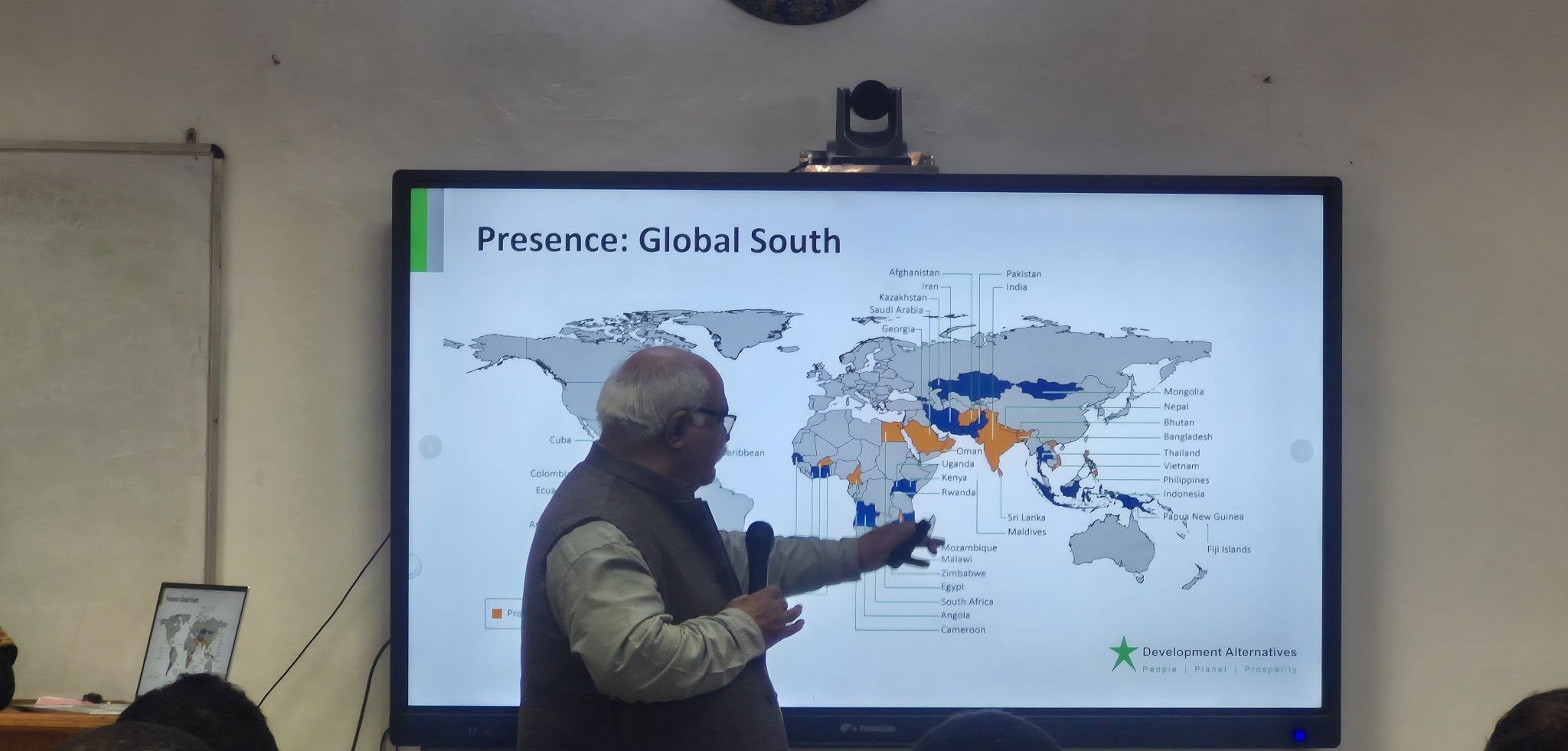
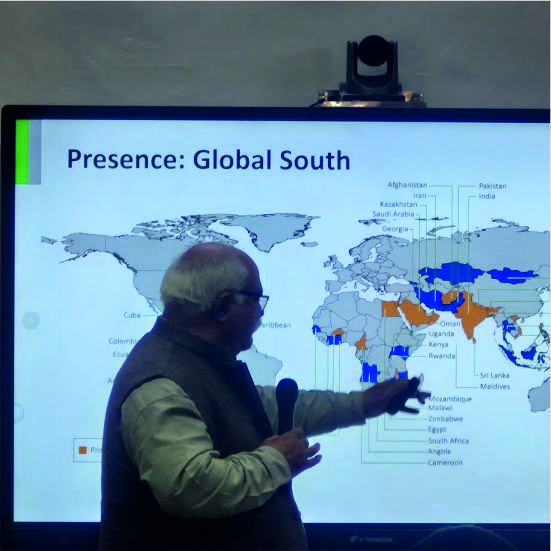
Col. Raman Thapar, General Manager, IMEDF explaining DA’s presence in the Global South
Across the Global South, livelihoods are shaped by a familiar set of constraints such as informality, limited access to finance, fragmented markets, and systems that often operate in silos. At the same time, these challenges are deeply rooted in place, shaped by local contexts, institutions, relationships and aspirations.
On 19th March 2026, Development Alternatives engaged with delegates from Southeast Asia and Africa at the National Institute of Labour Economics Research and Development (NILERD), as part of the International Training Programme on Local Governance and Rural Livelihoods. The exchange created a valuable space for dialogue across geographies, anchored around a common question: How can we respond to systemic challenges in ways that are rooted in lived realities, co-created with communities, and designed for inclusive transformation?
The discussion drew from experiences of building entrepreneurship ecosystems in rural and peri-urban contexts. A clear shift emerged away from linear, intervention-led models and towards approaches that recognise the role of institutions, networks, local actors, and collective action in shaping livelihood outcomes. In such contexts, enterprise development is not the result of a single intervention, but of how different actors, systems, and opportunities interact and evolve over time.
There was particular interest in understanding how DA’s systemic prototypes are creating meaningful disruptions on the ground and triggering systems-level change. Conversations explored how social innovation tools and processes become institutionalised and are embedded within local ecosystems, adopted by different actors over time. The role of government institutions in enabling scale, legitimacy, and continuity also emerged as a critical theme.
The exchange also pointed to an important opportunity: the need to mainstream social innovation approaches across geographies. As more practitioners and institutions recognise that complex livelihood challenges cannot be addressed through isolated interventions alone, there is a growing need for a different approach to entrepreneurship, one that is social in purpose, inclusive by design, and systemic in nature.
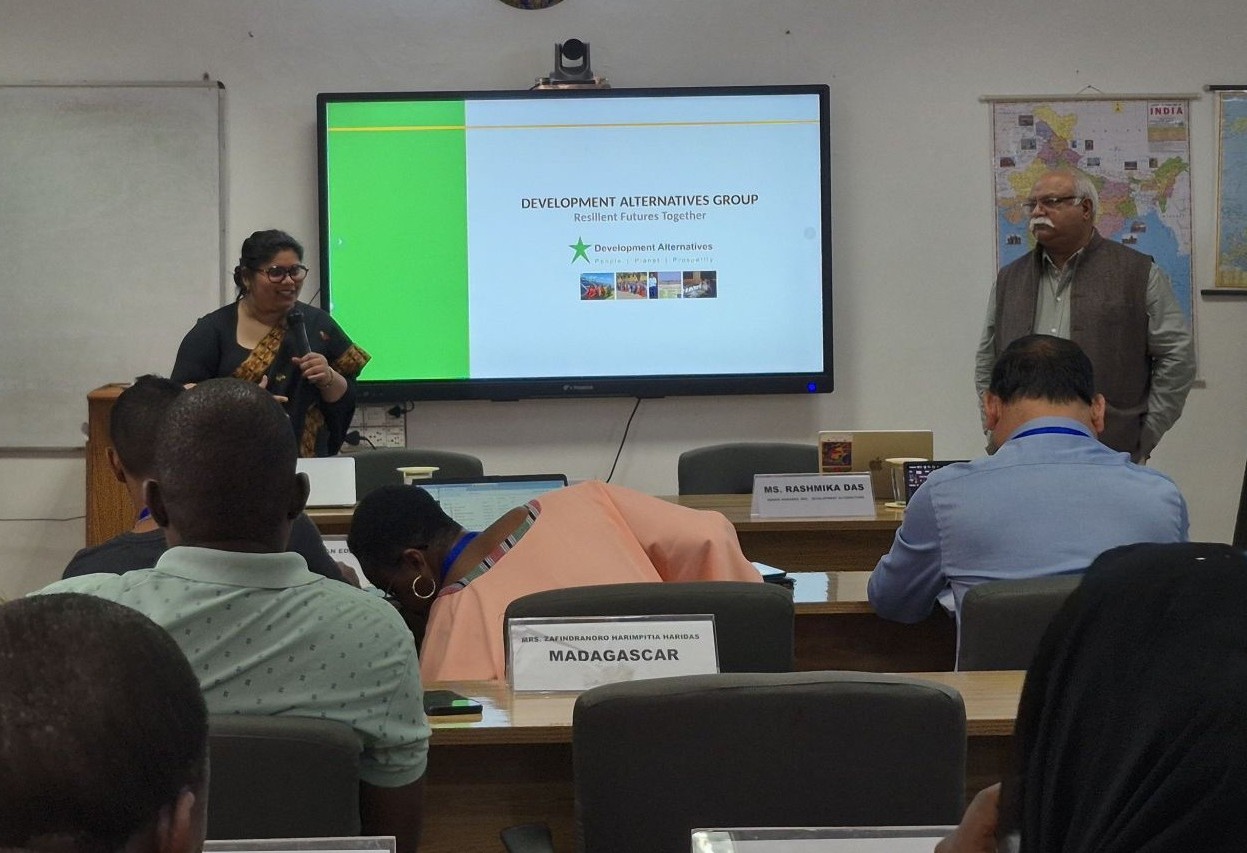
Ecosystem approach to building resilient and inclusive livelihood systems
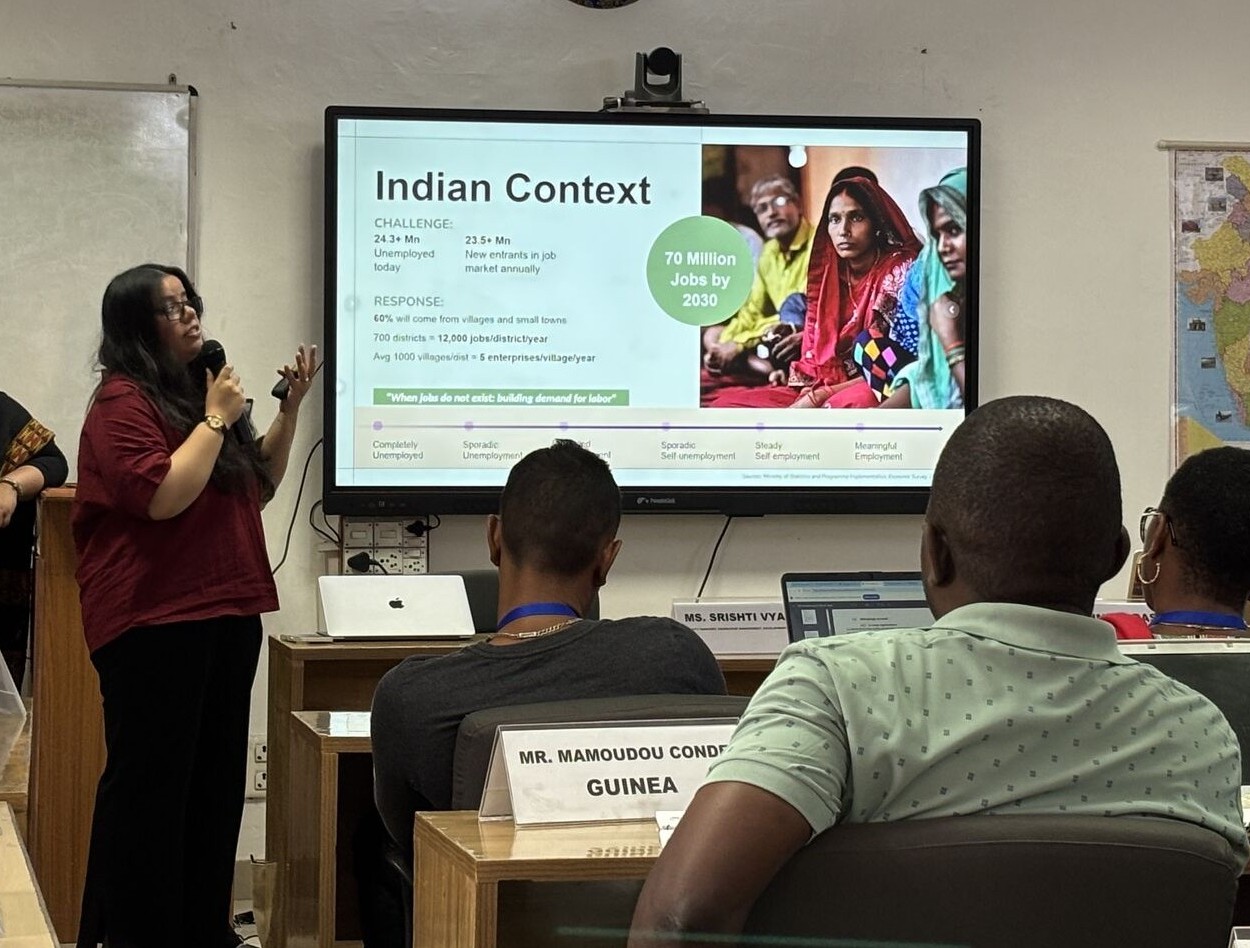
Understanding the jobs challenge in the Indian context
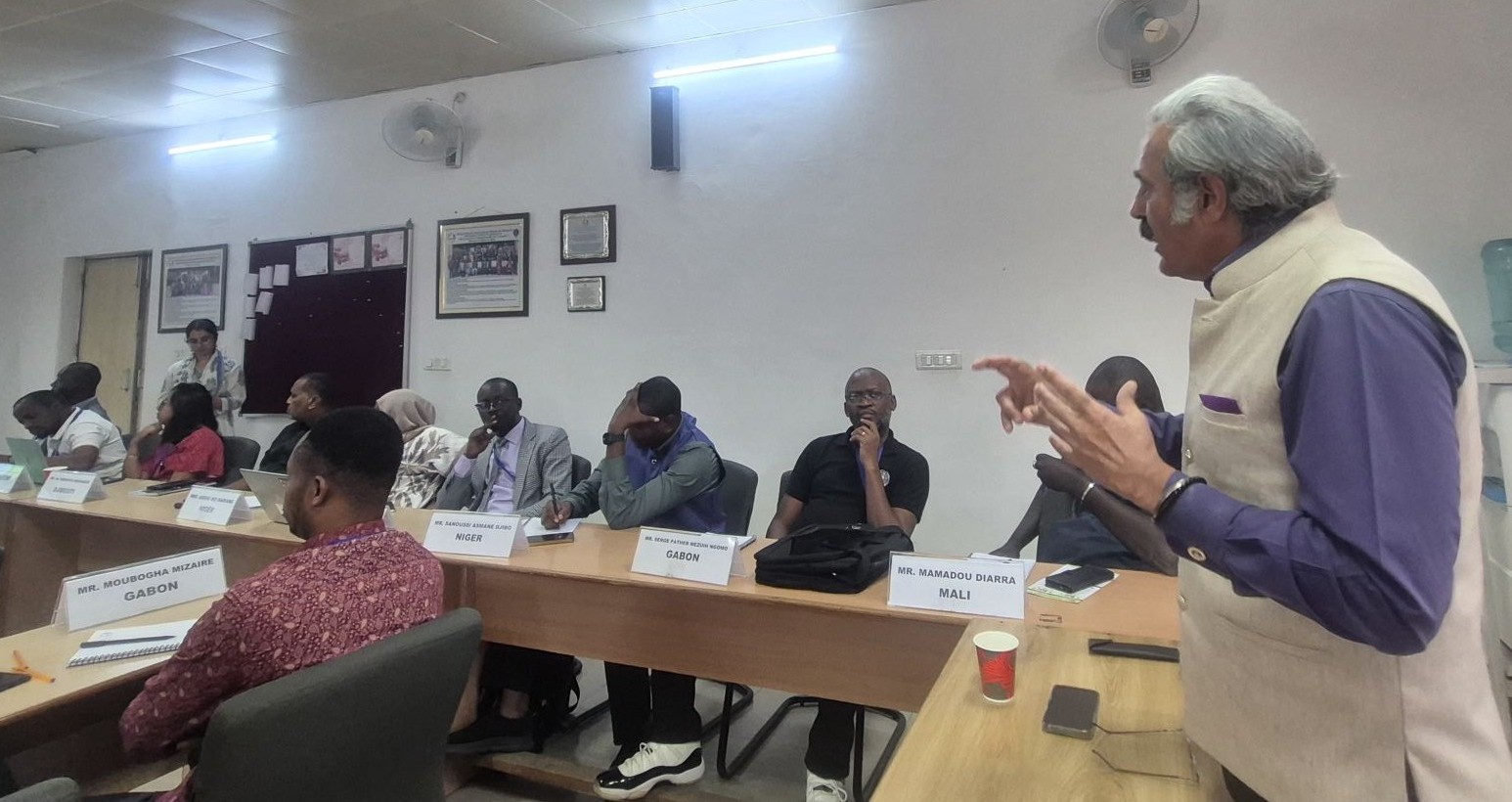
Participants engage in a cross-regional dialogue on livelihoods and local governance.






 Live Radio