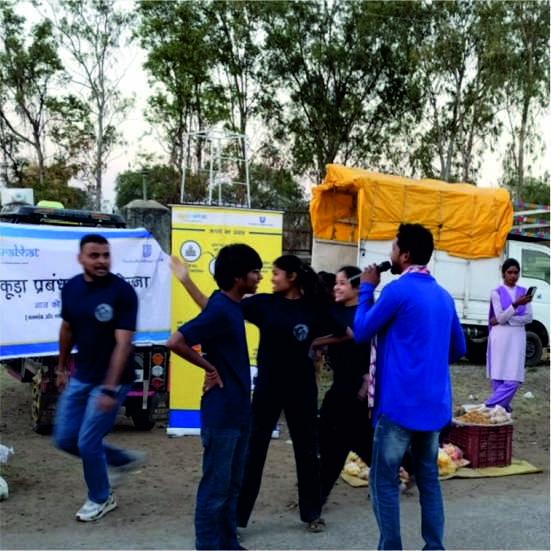
Awareness drives promote waste segregation and healthier rural living practices
#WasteManagement
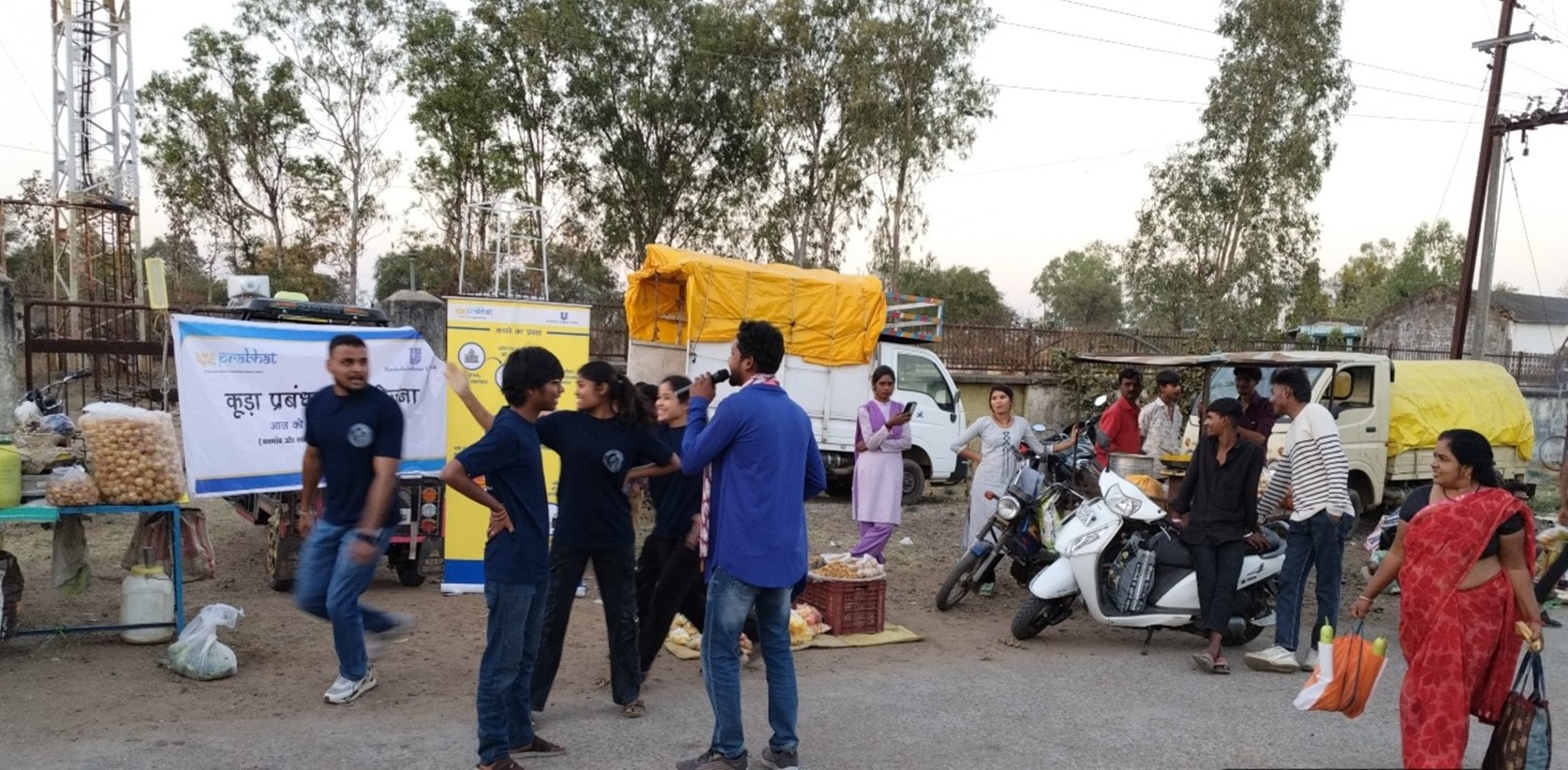
Awareness session and Street Play on waste segregation, for promoting cleaner and healthier village practices
Awareness drives and street plays were conducted in the villages of Sarna and Bangaon in Chhindwara, Madhya Pradesh to promote effective waste management practices and encourage healthier living environments. Over two days, multiple sessions engaged more than 300 community members through interactive discussions and performances.
The initiative focused on addressing the everyday impacts of improper waste disposal, including its effects on public health, groundwater contamination, and environmental degradation. Through community awareness sessions, participants were encouraged to rethink their waste practices and understand the long-term consequences of unmanaged waste.
Street plays served as a key engagement tool, simplifying complex issues and making them relatable for local audiences. These performances highlighted the importance of behavioural change at the household level and reinforced the role of collective action in maintaining clean surroundings.
A central message of the campaign was the importance of source segregation—separating waste into wet and dry categories. This simple practice was explained as a critical step in improving recycling efficiency, supporting sanitation workers, reducing pollution, and minimising landfill waste.
The sessions demonstrated that small, consistent actions at the household level can lead to significant environmental and social benefits. By building awareness and encouraging participation, the initiative aimed to strengthen community ownership of waste management practices and move towards cleaner, healthier villages.
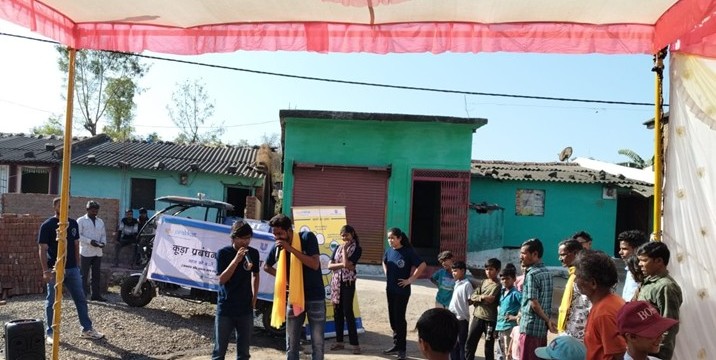
Community members engaging in an awareness session and street play on waste segregation, promoting cleaner and healthier village practices
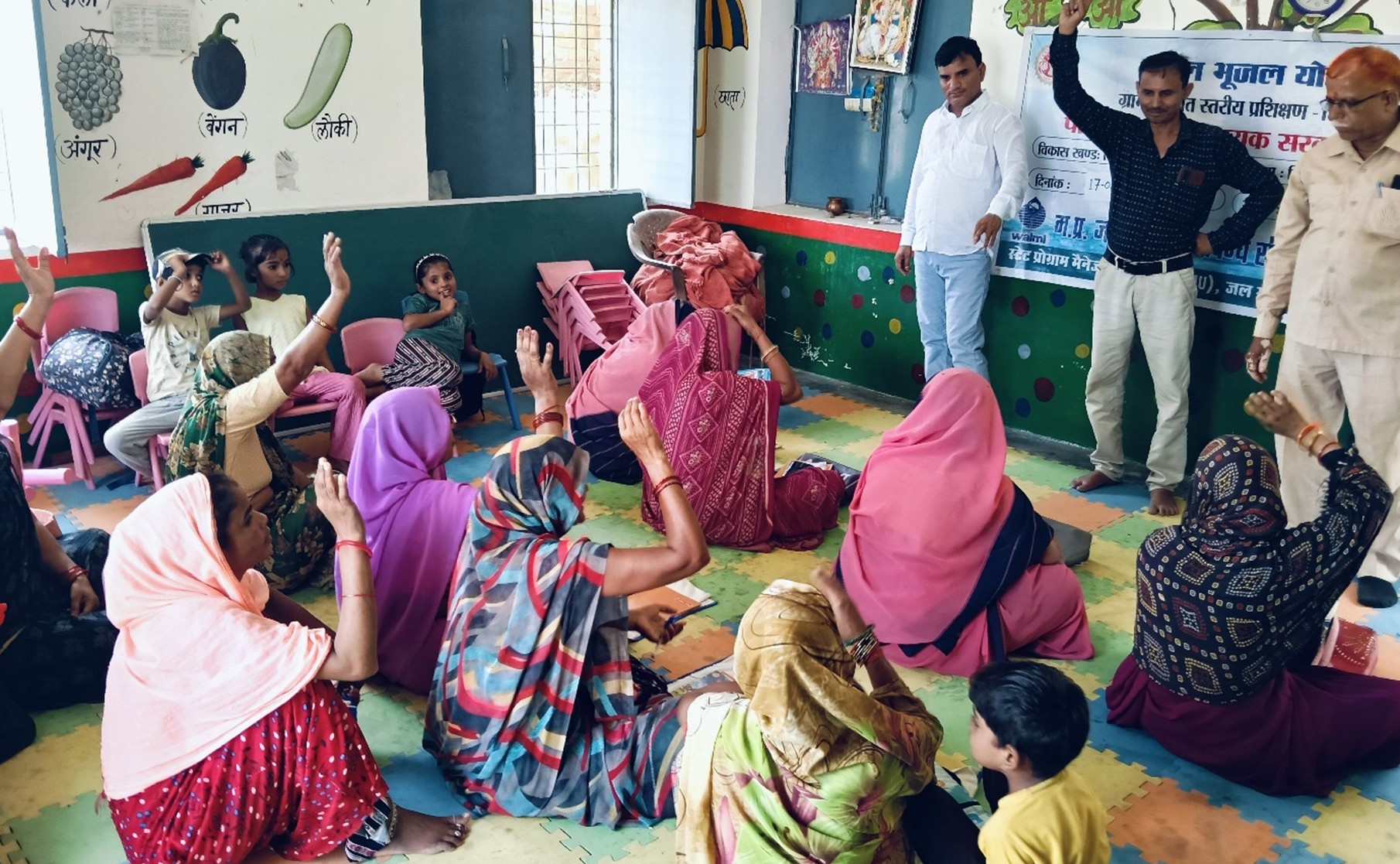
Community members engaging in an awareness session and street play on waste segregation, promoting cleaner and healthier village practices






 Live Radio