NABARD officials experience integrated watershed and rural development models firsthand
#RuralImmersion
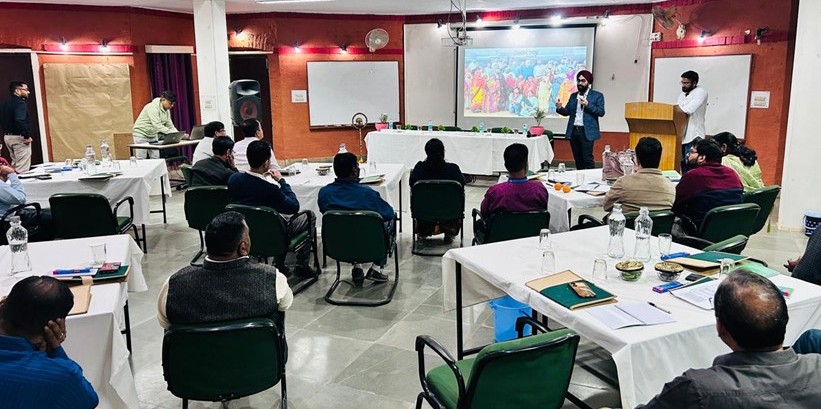
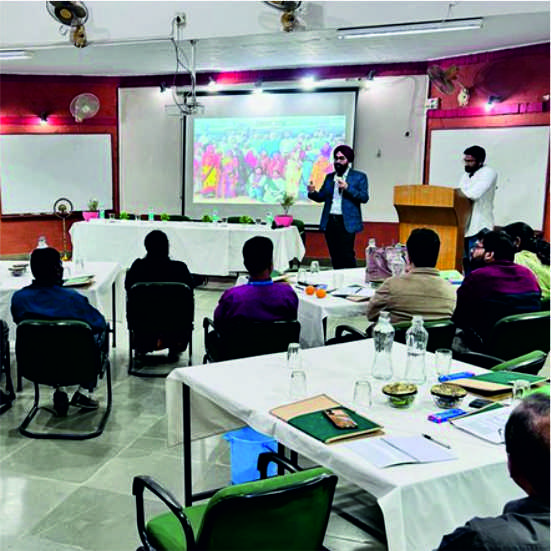
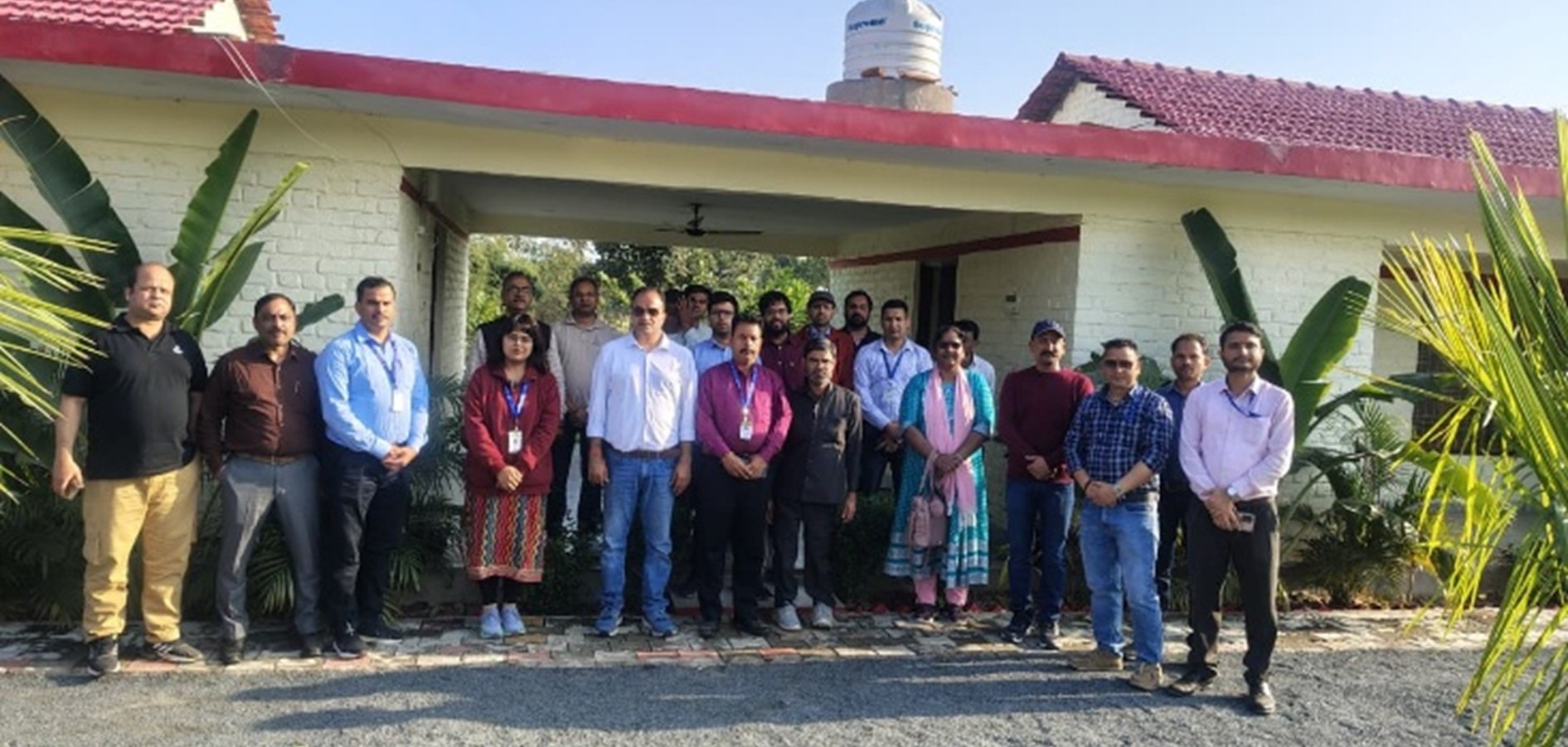
Inauguration of the Rural Immersion Programme at TARAgram, Orchha, with senior officials from NABARD and Development Alternatives.
Under the Technology and Action for Rural Advancement (TARA) initiative, Development Alternatives facilitated a five-day Rural Immersion Programme for B-Grade officials of the National Bank for Agriculture and Rural Development (NABARD) from 16–20 February 2026 at TARAgram, Orchha.
The programme was designed to provide first-hand exposure to integrated natural resource management and sustainable rural development through a combination of classroom sessions and field demonstrations. It aimed to deepen institutional understanding of watershed-based planning and community-led development models.
The immersion was inaugurated by Ms. Sunnanda Bose, General Manager, NABARD Uttar Pradesh Regional Office, along with Mr. Pankaj Tripathi, Deputy General Manager, NABARD, and Mr. Navniit Singh Chatwal, Regional Head, Development Alternatives. An overview of the Development Alternatives Group was shared, highlighting its integrated work across climate resilience, livelihoods, and sustainable rural systems.
Sessions focused on Natural Resource Management (NRM), watershed development, wadi-based livelihood models, village-level micro-planning, and the ridge-to-valley approach. Participants explored site selection criteria for check dams, groundwater recharge systems, soil moisture conservation techniques, and the long-term ecological and economic outcomes of watershed interventions.
As part of the field exposure, officials visited Bhudpura village in Babina block, Jhansi. They observed functional watershed structures, interacted with community members, and examined multilayer farming systems that enhance land-use efficiency, diversify incomes, and strengthen climate resilience for smallholder farmers.
By integrating theory with on-ground exposure, the programme strengthened participants’ understanding of scalable, community-driven rural development models. Through TARAgram, Development Alternatives continues to advance experiential learning as a pathway for sustainable rural transformation.
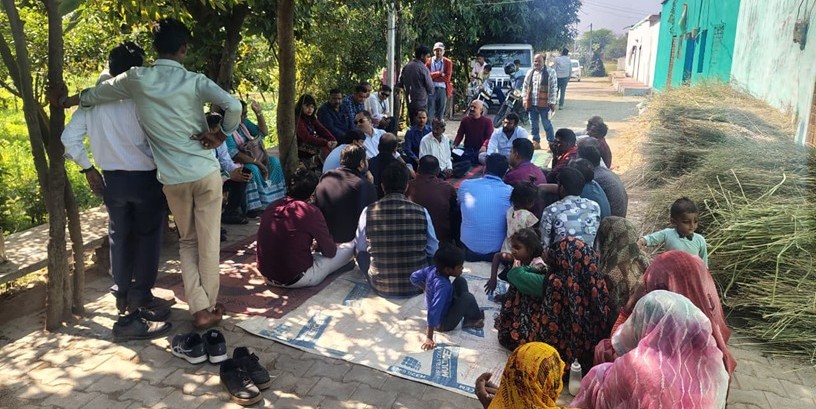
Glimpses from the field immersion
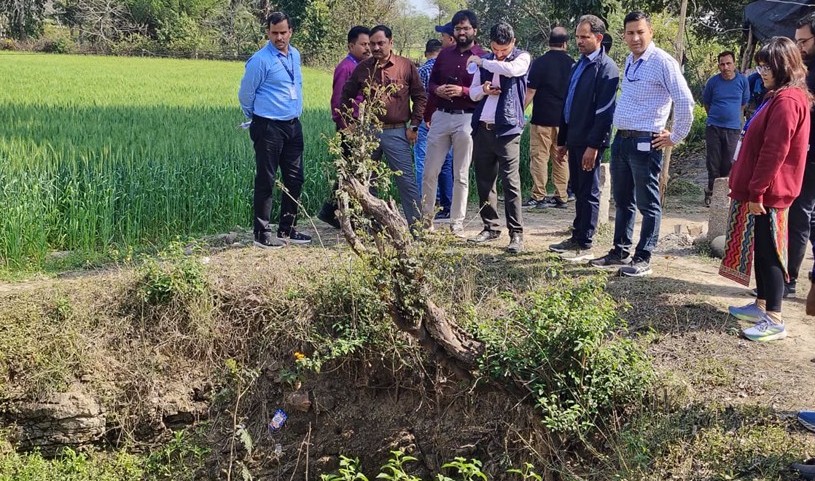
Glimpses from the field immersion
Glimpses from the field immersion





 Live Radio