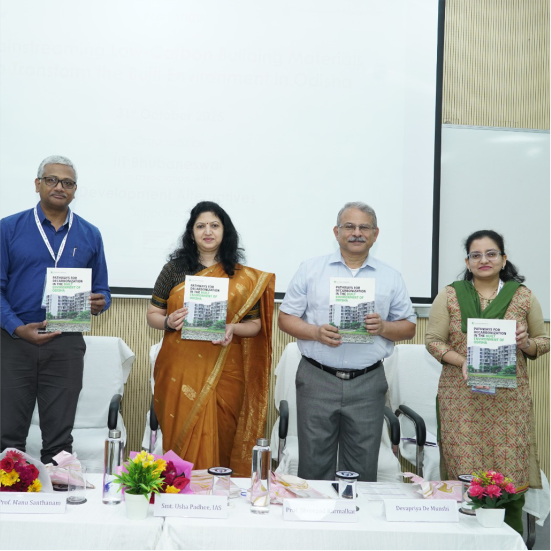
Development Alternatives, in collaboration with the Indian Institute of Technology Bhubaneswar and with support from Indian Metal and Ferro Alloys (IMFA), hosted a one-day workshop on “Mainstreaming Low-Carbon Building Materials to Transform the Built Environment in Odisha.”
#transformingbuiltenvironment
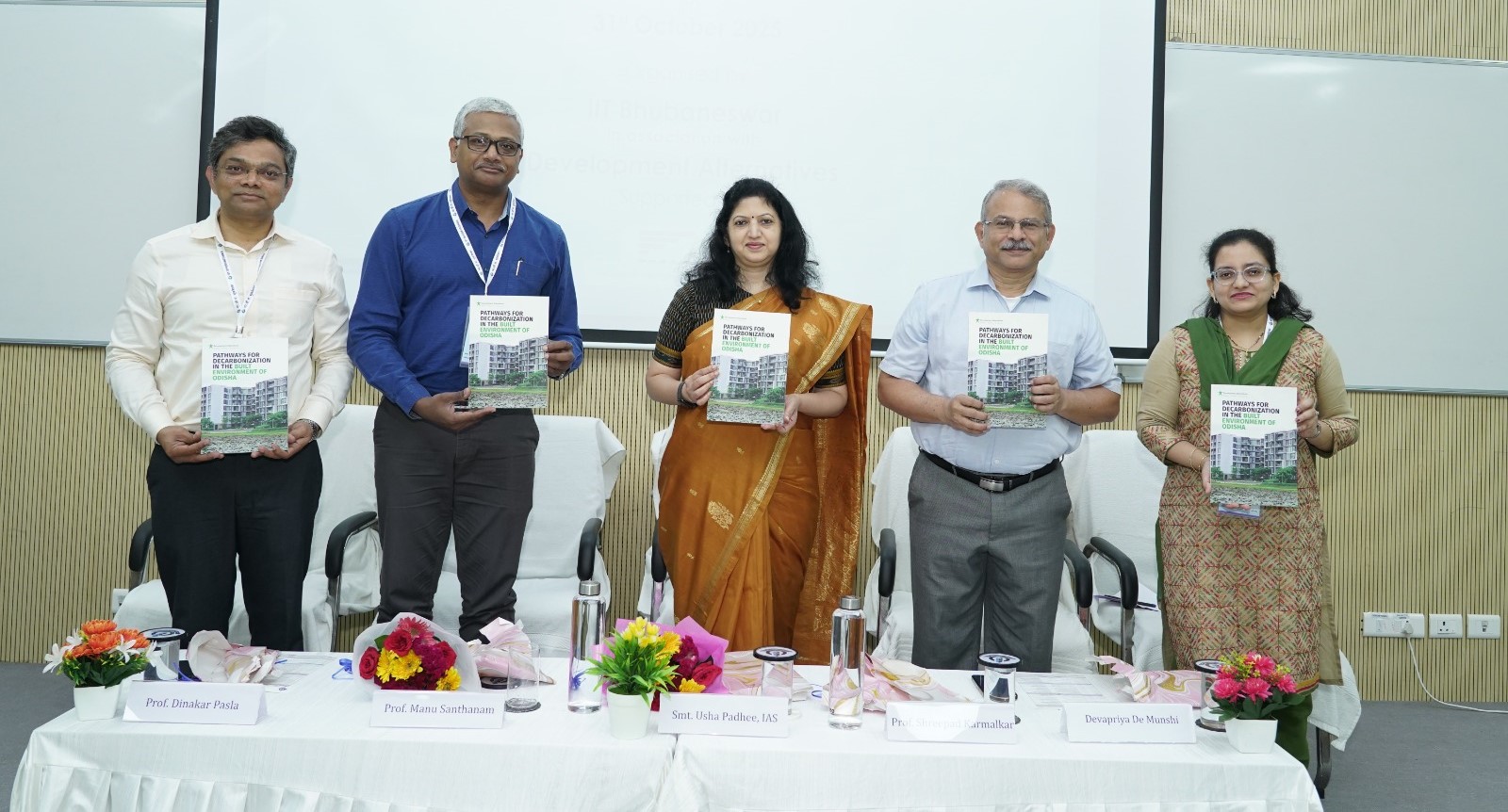
Launch of the technical report on decarbonisation of Odisha’s built environment
Development Alternatives, in collaboration with the Indian Institute of Technology Bhubaneswar and with support from Indian Metal and Ferro Alloys (IMFA), hosted a one-day workshop on “Mainstreaming Low-Carbon Building Materials to Transform the Built Environment in Odisha.”
Smt. Usha Padhee, IAS, Principal Secretary, Housing and Urban Development Department, Government of Odisha, opened the event as Chief Guest. She spoke about the responsibility that engineers and policymakers carry in shaping environmentally responsible growth. “Whatever we do in construction must consciously contribute to a healthier environment. We can only progress if we believe we can — and ensure our development is greener and eco-friendly,” she said. She also reaffirmed the government’s commitment to strengthening regulations, capacity-building efforts, and entrepreneurship to advance the use of sustainable materials such as C&D waste products.
Prof. Shreepad Karmalkar, Director, IIT Bhubaneswar, underlined the urgency of deeper collaboration across academia, industry, and government. He noted that linking research from higher education institutions to real-world application is essential, especially in a sector as material-intensive as construction. With Odisha’s rapid infrastructure growth, he pointed out the need for appropriate materials to keep emissions in check.
Prof. Manu Santhanam, IIT Madras, highlighted India’s dependence on finite natural resources and pressed for stronger policy direction. He emphasised the need to extend the life of existing resources, use industrial by-products wisely, and scale up the adoption of recycled and alternative materials. Odisha, he noted, is particularly well-placed to lead this transition due to its access to both natural resources and industrial by-products.
Prof. Dinakar Pasla, Dean (Sponsored Research and Industrial Consultancy), IIT Bhubaneswar, added that Odisha’s development trajectory demands infrastructure that aligns with sustainability goals. He stressed that stronger collaboration between academia and industry can speed up the adoption of climate-resilient materials, and assured continued institutional support to help DA drive this work into actionable change.
The workshop began with the launch of a DA-authored technical report on Decarbonisation of Odisha’s Built Environment, offering carbon emission projections for the sector. Sessions through the day explored innovations in low-carbon materials—LC3 cement, sintered aggregates, biomass-based concrete, and unfired bricks—along with C&D waste valorisation, circular economy practices, sustainable road infrastructure solutions, and challenges related to technical viability, standards, and market adoption. Experts from IIT Bhubaneswar, IIT Madras, KIIT Bhubaneswar, IMFA, and waste-processing organisations from Hyderabad and Thane contributed to the discussions.
A closing panel brought these threads together, outlining actionable steps for enabling policies, stronger industry collaboration, and better research-to-practice pathways.
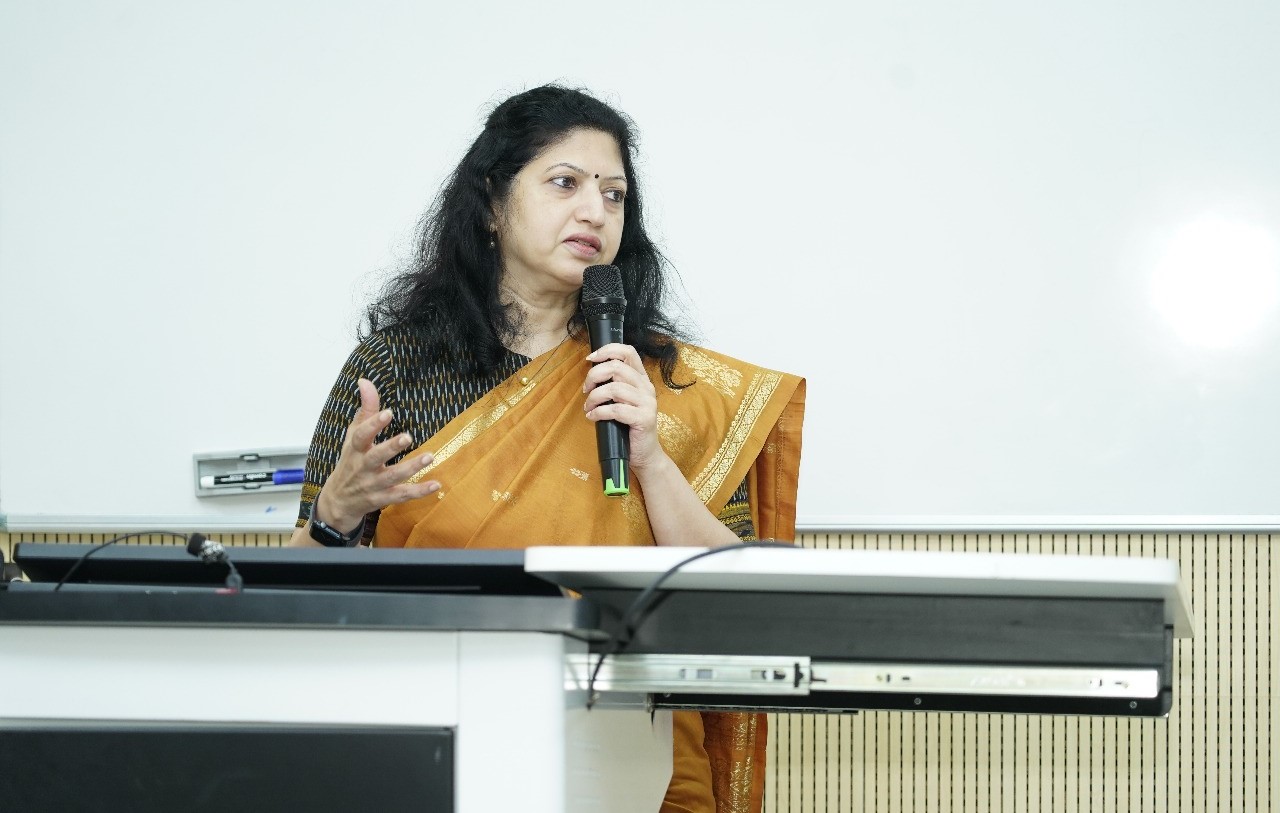
Usha Padhee, IAS, reaffirmed the government’s commitment to sustainable practices and low-carbon materials in the built sector.
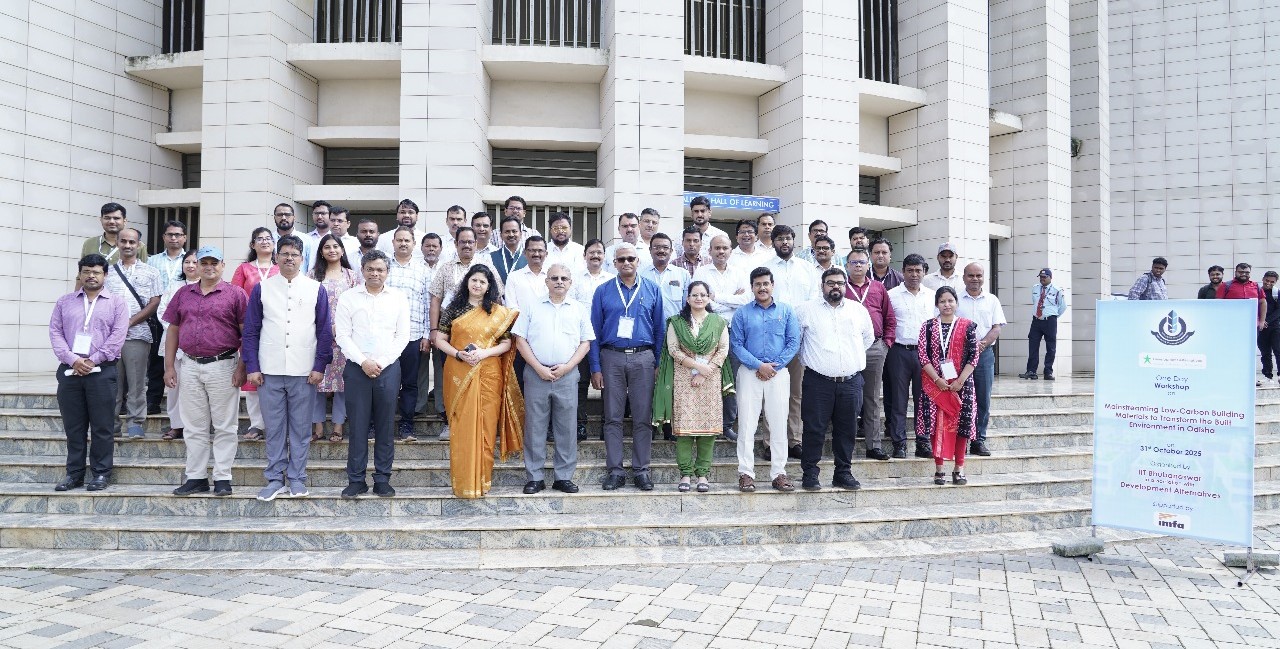
One day Workshop on Mainstreaming low carbon building materials to transform the built environment in Odisha, held at IIT Bhubaneswar






 Live Radio