Catalysing India's cement decarbonisation through LC3 innovation and multi-stakeholder collaboration.
#DecarbonisingCement
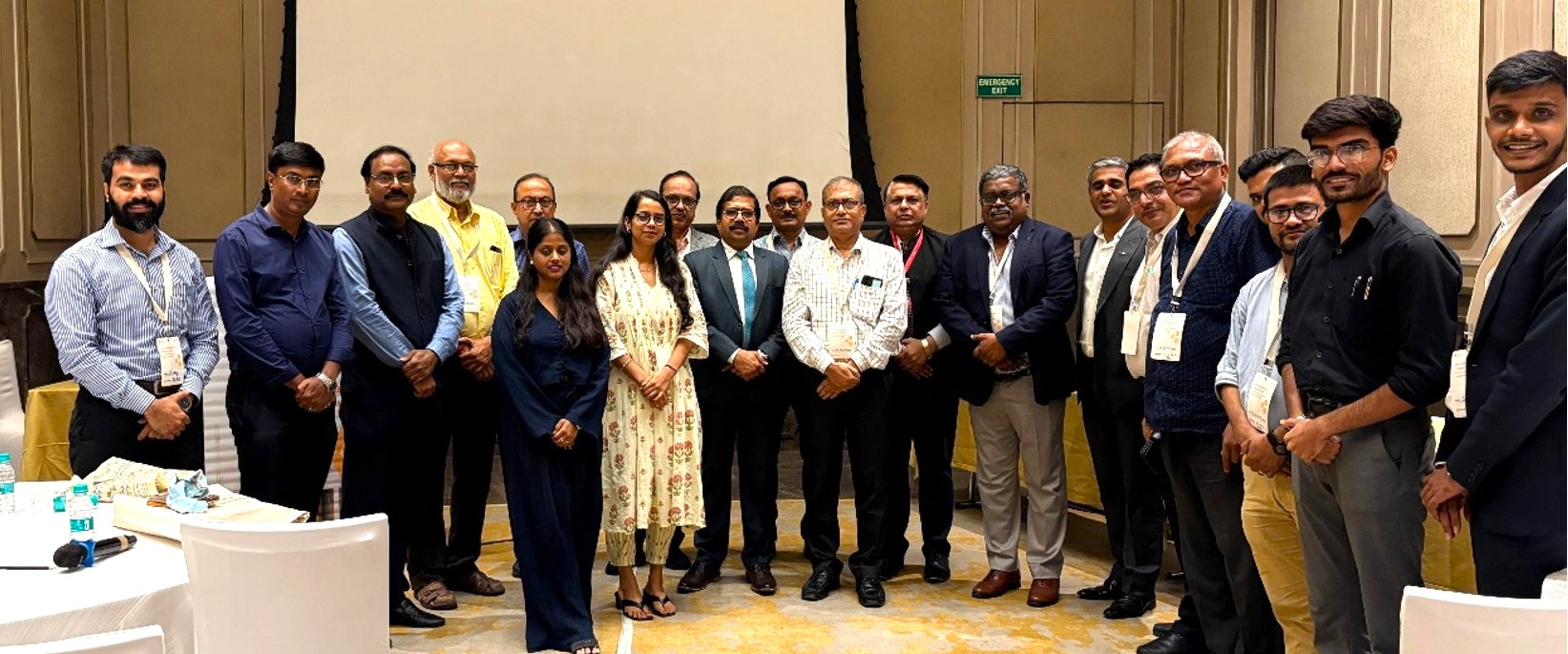
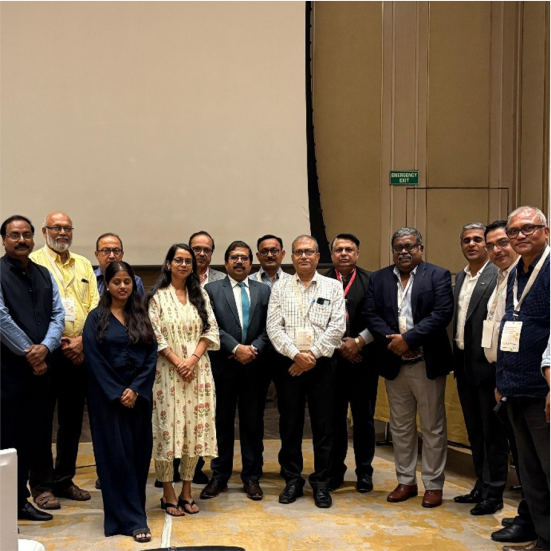
Participants at the Workshop representing the cement ecosystem.
TARA, in collaboration with the AVPN, convened a technical and policy workshop on "Decarbonising the Indian Cement Sector: Limestone Calcined Clay Cement (LC3)” in West Bengal. The workshop brought together stakeholders from the Indian Bureau of Mines (IBM), Bureau of Indian Standards (BIS), Indian Concrete Institute (ICI), leading cement companies (Ultratech Cement, Star Cement, Birla Cement), academia, government agencies, and the climate finance sector to explore practical pathways for reducing emissions from one of India's most carbon-intensive industries.
The discussions highlighted LC3 as a near-term, scalable solution that can reduce cement-related carbon emissions by around 40% while conserving high-grade limestone resources and maintaining structural performance. Technical sessions showcased LC3's proven applications, durability, compatibility with existing manufacturing infrastructure, and opportunities for deployment across housing and infrastructure projects. Speakers also examined mineral resource management, standards and certification under IS 18189, carbon market opportunities, and strategies to strengthen demand for low-carbon cement.
A recurring theme throughout the workshop was that the primary challenge is no longer technological feasibility but market adoption. Participants emphasised the need for performance-based standards, supportive public procurement, stronger awareness among architects and engineers, and continued demonstration projects to accelerate mainstream acceptance. The workshop also proposed positioning West Bengal as a strategic low-carbon cement and export hub, leveraging its clay resources, logistics connectivity, and growing construction demand. Overall, the convening reinforced the importance of collaborative action across policy, industry, research, and finance to enable India's transition towards a resilient, resource-efficient, and net-zero cement ecosystem.





 Live Radio