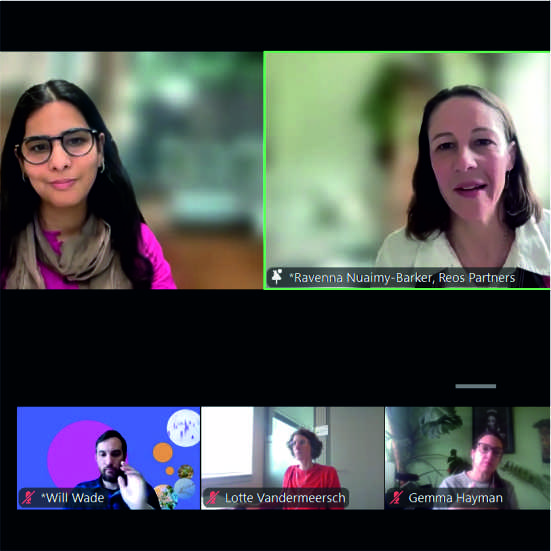
At Day 2 of the #SILPLearningFestival 2026, hosted by Climate KIC and Sida (Swedish International Development Cooperation Agency), Kanika Verma, Lead - Sustainable Entrepreneurship Group & Executive Vice President at Development Alternatives, joined practitioners and system leaders to reflect on what it means to operate in the in-between spaces of Rethinking Intermediary Funding Practices.
#SILPLearningFestival2026
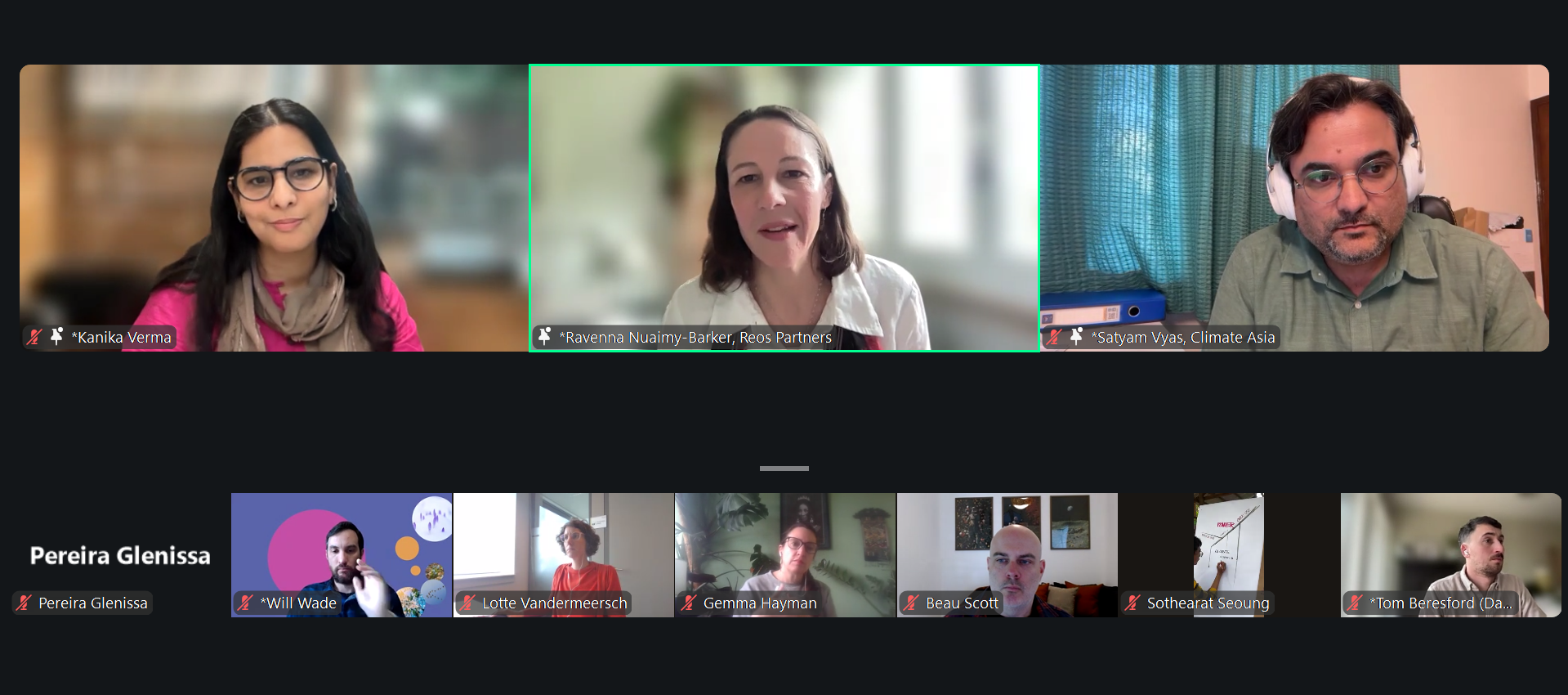
Reflections on “working with power” moderated by Kanika Verma, Executive Vice President and Lead - Sustainable Entrepreneurship, Development Alternatives, alongside Ravenna Nuaimy-Barker (Reos Partners) and Satyam Vyas (Arthan & Climate Asia)
The second day of the SILP Learning Festival 2026, hosted by Climate KIC and Sida (Swedish International Development Cooperation Agency), brought together practitioners and system leaders to reflect on what it means to work within the complexity of systems change. Centered around the theme of In-Between Spaces, the day unfolded through four interconnected conversations that explored how change happens beyond formal structures, across relationships, within uncertainty, and through power.
Working beyond project boundaries
The first space invited participants to step outside the familiar structure of projects, budgets and funding cycles, and reflect on what exists in the spaces between them. These are often informal and unstructured, yet they are where ideas evolve, collaborations take shape, and shared intent begins to emerge.
There was a strong emphasis on seeing projects as part of a larger system rather than as standalone efforts. When conversations begin from a place of shared responsibility as citizens concerned about social and ecological futures, new forms of collaboration become possible. The focus gradually shifts from implementing defined outputs to co-creating a larger purpose.
Participants reflected on how existing development frameworks of project cycles, log frames, and time-bound deliverables offer structure, but can sometimes limit the kind of change they are trying to enable. This led to an important line of inquiry: are the very systems designed to create change also shaping their limits?
The discussion also touched on the role of the individual within systems work. Sustaining long-term change requires reflection on one’s own assumptions, behaviours and motivations. Aligning personal intent with systemic goals emerged as an ongoing practise.
Bridging people, institutions and worlds
The second space focused on relationships as the foundation of systems change. Participants explored how trust, alignment and psychological safety shape the ability of people and institutions to work together.
There was a shared recognition that development work operates within ecosystems of relationships. These ecosystems bring together communities, organisations, funders and institutions, each with different perspectives and incentives. Building alignment across these differences requires time, consistency and honest engagement.
The “in-between spaces” in this context are relational spaces where dialogue happens, where differences are negotiated, and where collective intent is built. Participants reflected on the difference between performative alignment and genuine trust, and the importance of creating platforms that enable deeper, more sustained engagement across actors.
Working with uncertainty while staying accountable
The third space explored the tension between uncertainty and accountability, particularly in the context of climate adaptation and complex development challenges.
Participants reflected on how systems today are often designed for conditions that no longer exist. As realities shift, the ability to adapt becomes essential. This requires flexibility in how programmes are designed and implemented, as well as openness for learning and iteration.
Different forms of uncertainty were discussed. Those that emerge from complex systems such as policy and governance, and those that arise from visible disruptions such as climate events. In both cases, intermediaries often find themselves navigating between communities and funders, balancing evolving realities with expectations of predictability and measurement.
This raised important questions around accountability: what can and should be measured in complex systems? How can accountability be made more meaningful for communities? Participants reflected on the need to move beyond rigid metrics and allow space for adaptive approaches that reflect the long-term nature of change.
Working with power, not around it
The fourth space focused on power as an integral part of systems change. The conversation, shaped through reflections from participants and moderated by Kanika Verma, Executive Vice President and Lead - Sustainable Entrepreneurship at Development Alternatives, alongside Ravenna Nuaimy-Barker (Reos Partners) and Satyam Vyas (Arthan & Climate Asia), explored how power operates within development systems.
Power often sits beneath the surface, shaping whose voices are heard, whose knowledge is recognised, and how decisions are made. It influences which ideas gain traction and how resources move through systems.
At the same time, power is not experienced in a single way. It can enable action, open pathways and direct attention when exercised with awareness. Participants reflected on the importance of recognising when to hold power, when to share it, and when to step back.
The discussion also surfaced how power appears in subtle forms through language, in narratives, and in the norms that define legitimacy. Becoming aware of one’s own position within these dynamics is critical to understanding how influence is exercised in different spaces.
Day 2 of the festival also marked the launch of the Rethinking Intermediaries Series, a learning effort that brings together emerging insights into how organisations and networks navigate complexity while enabling systems change.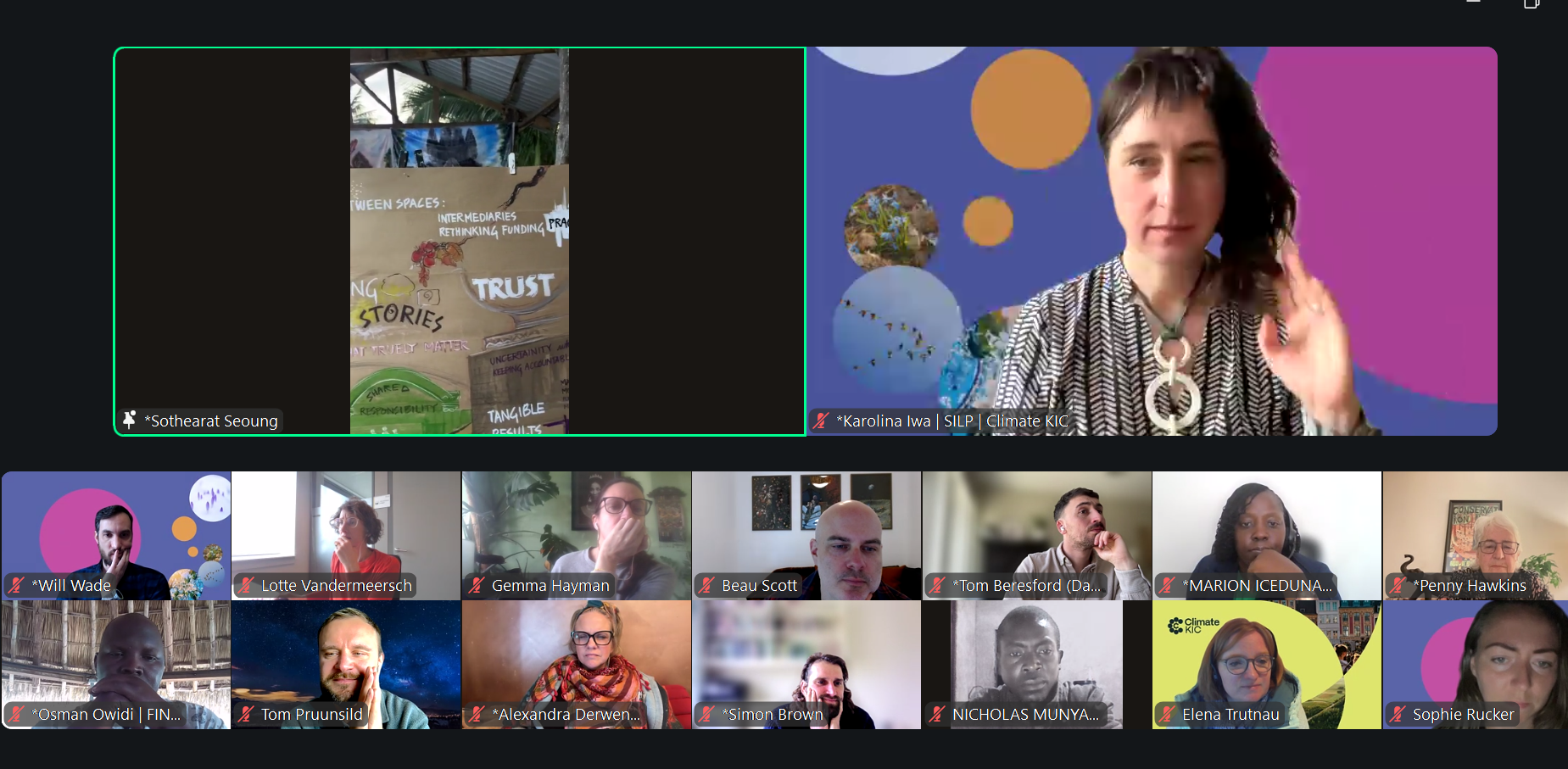
Participants reflect on how systems today are often designed for conditions that no longer exist.
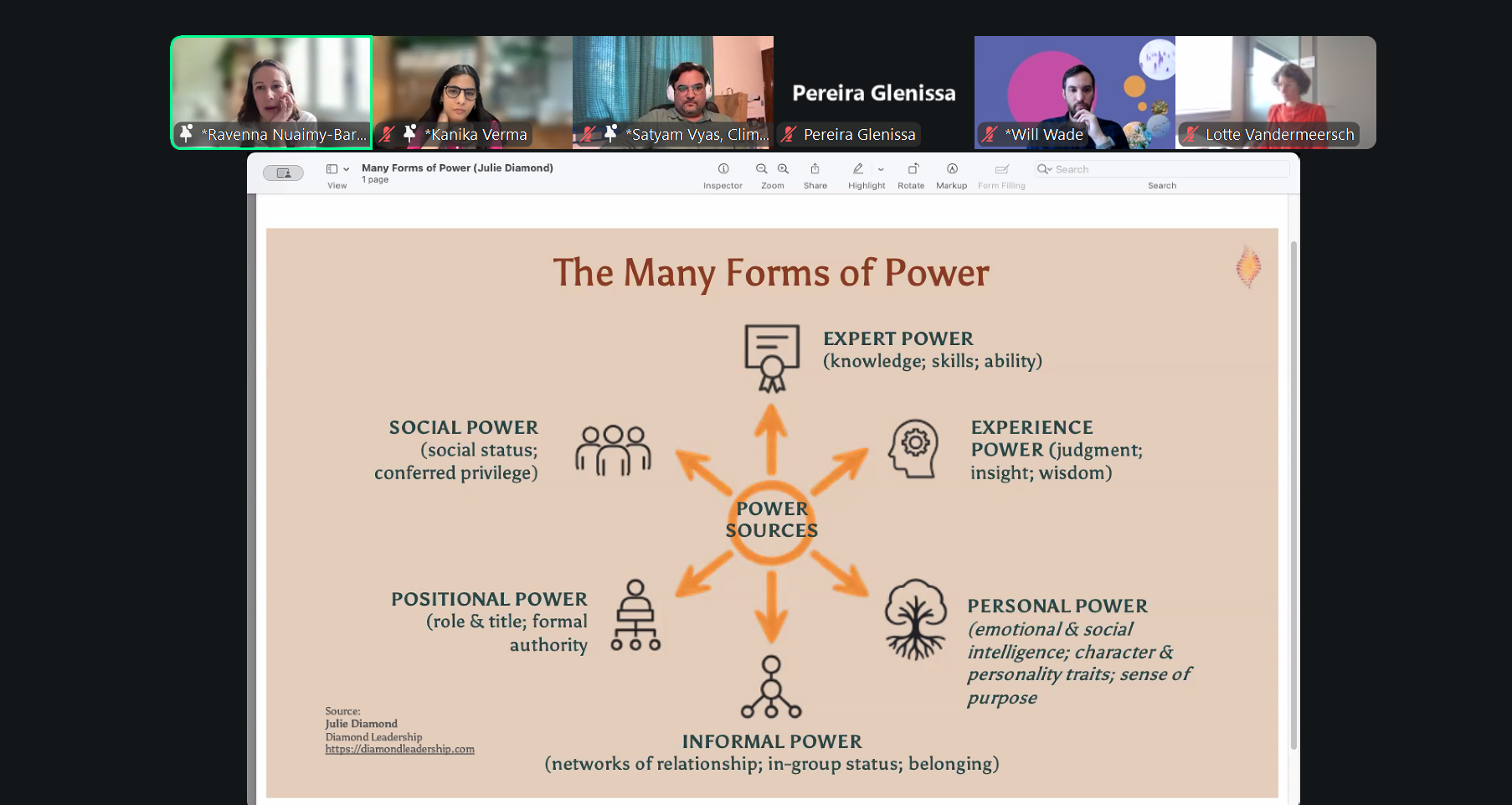
Reflections on how power appears in subtle yet many forms





 Live Radio